
BEEF
America’s Favorite Protein
Ethics
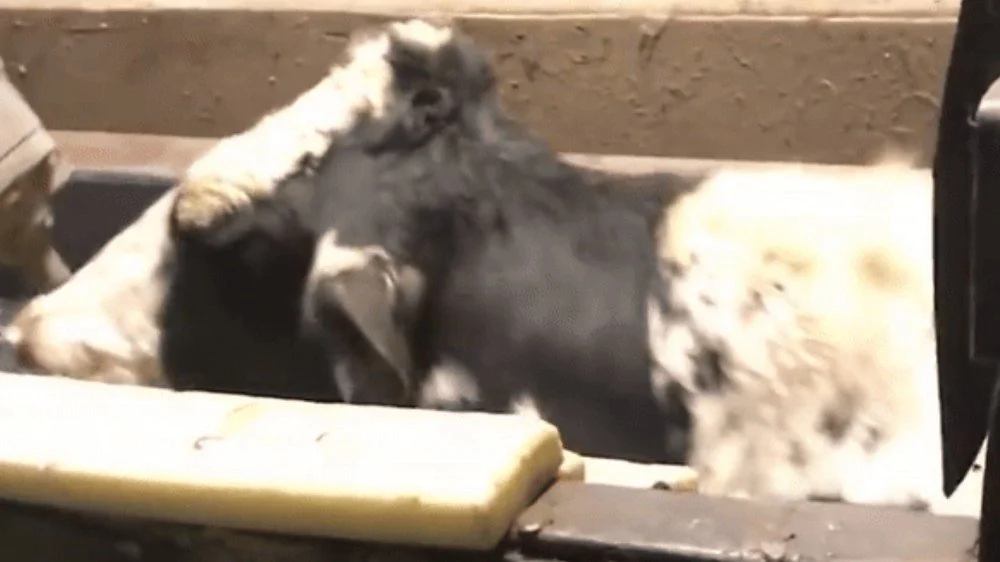
Cattle are slaughtered at 18 months old—could live 20 years.¹
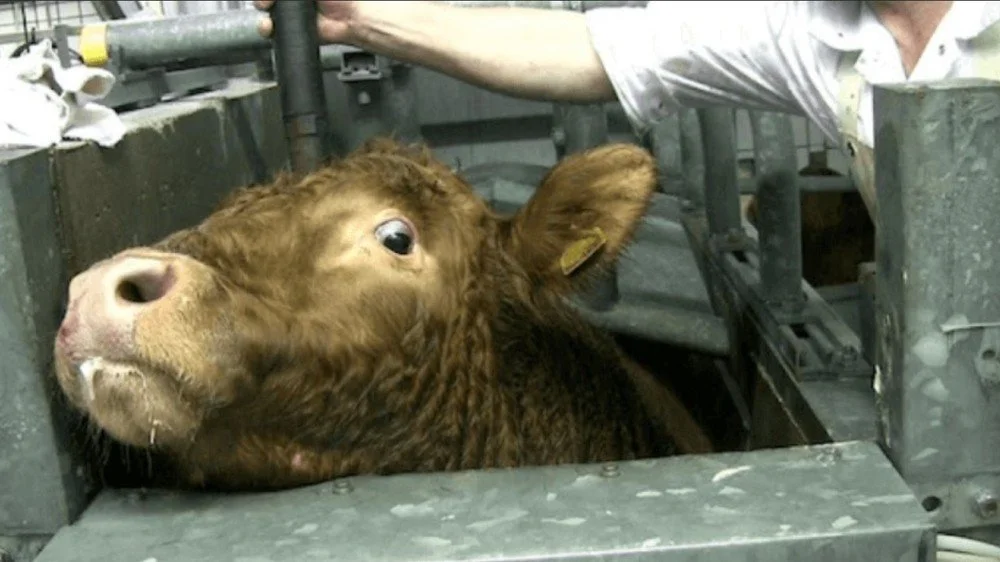
Over 30 million slaughtered in U.S. each year.²
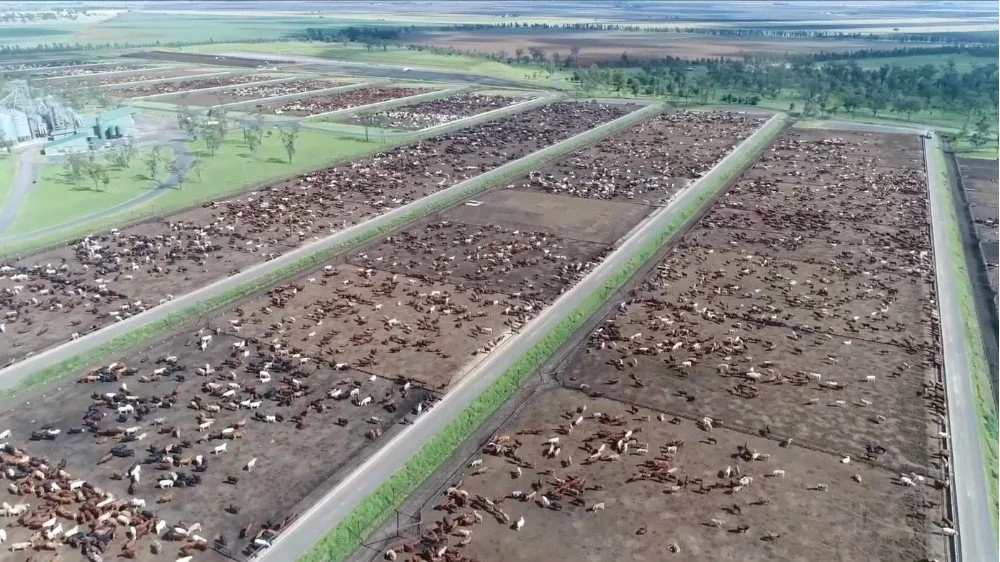
Most males are castrated without anaesthesia.³
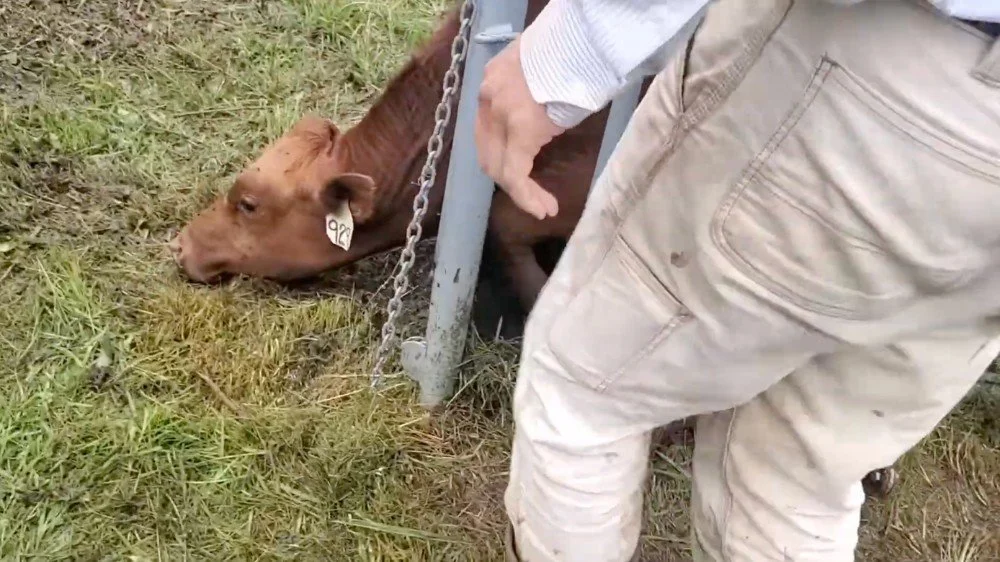
Over 100,000 deaths during transport each year.⁴
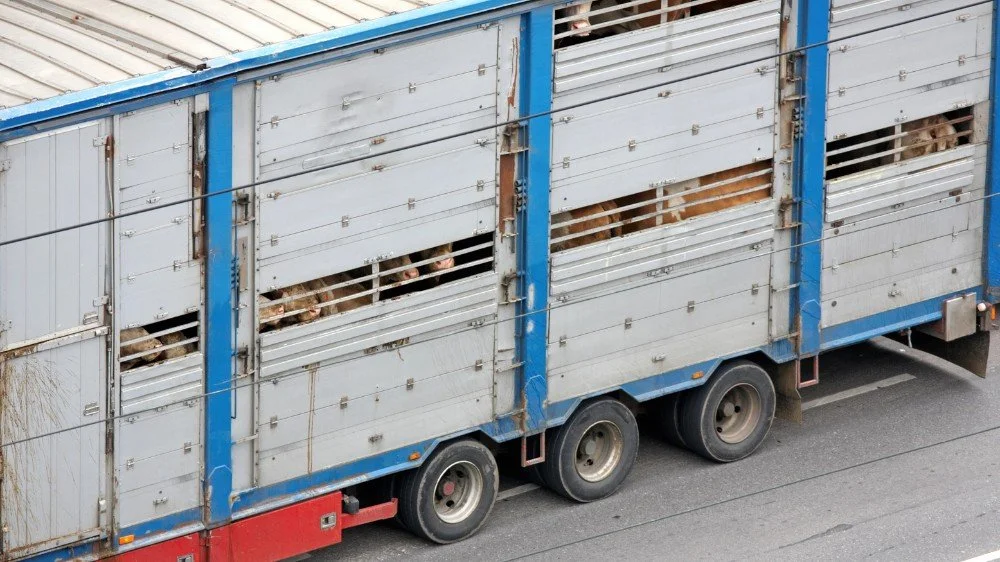
Some remain conscious during slaughter.⁵
Health
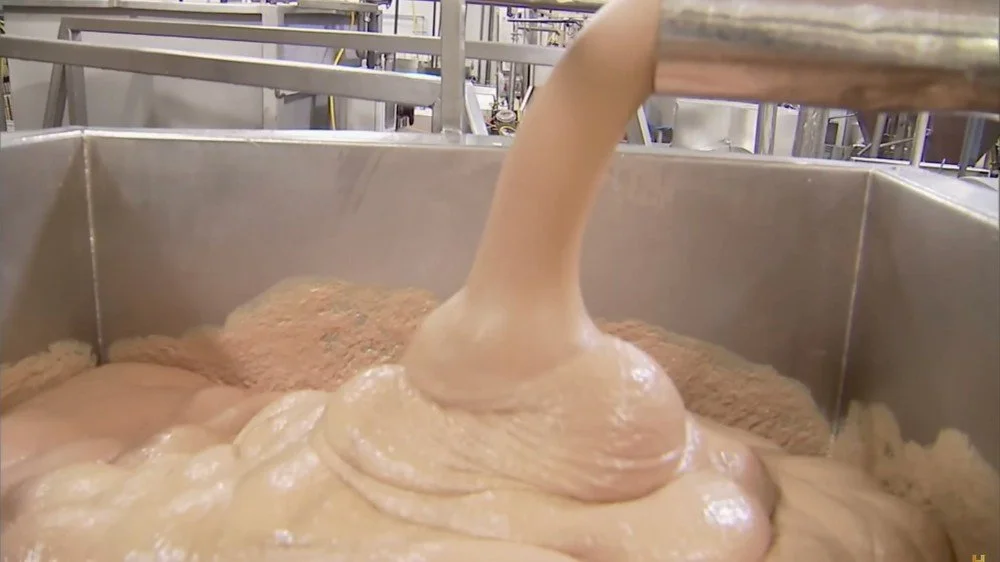
Processed beef is a Group 1 carcinogen, like tobacco.⁶
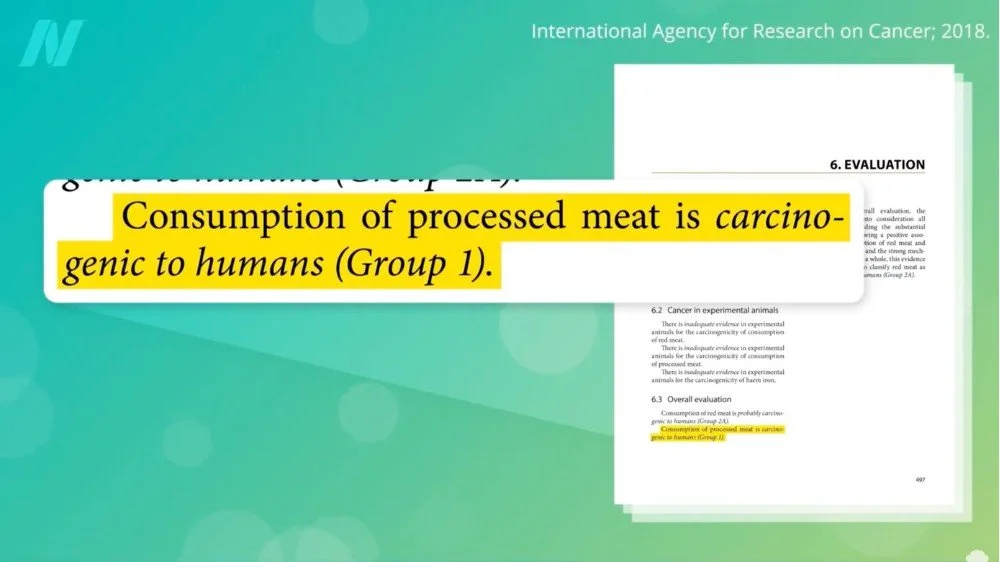
Unprocessed beef is classified as Group 2A carcinogen.⁷
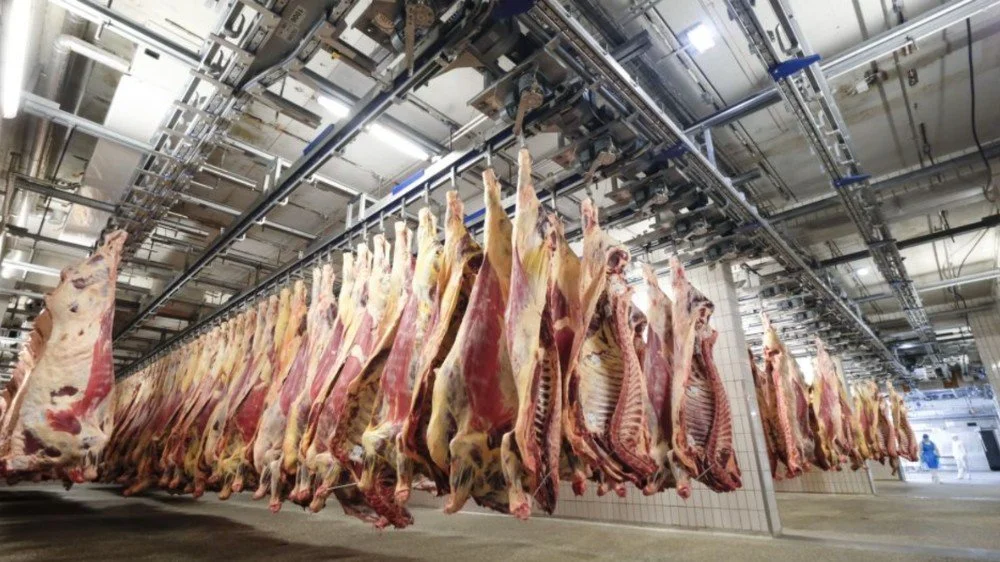
Processed beef is linked to colon cancer.⁸
Environment
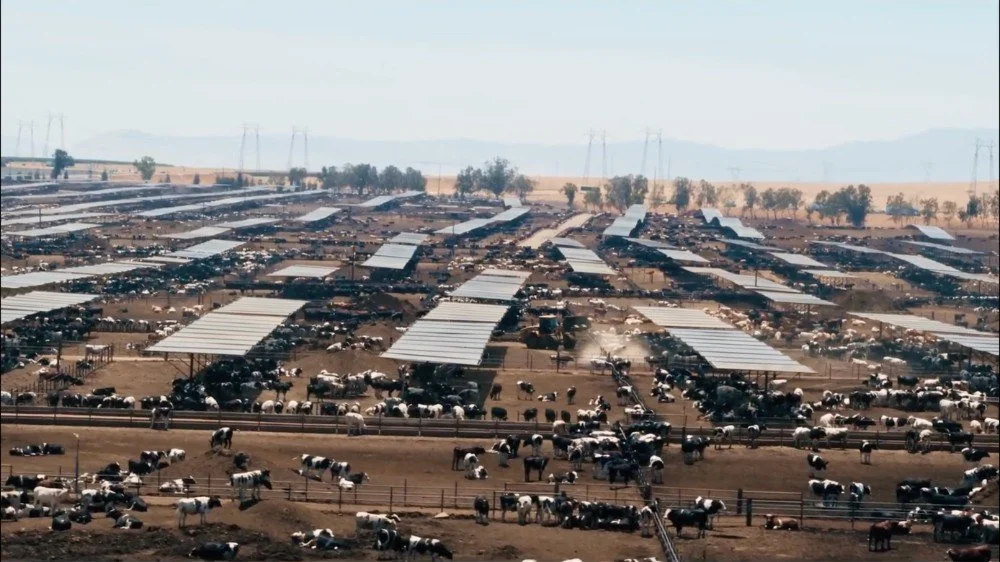
Beef uses 60% of agricultural land for 2% of global calories.⁹
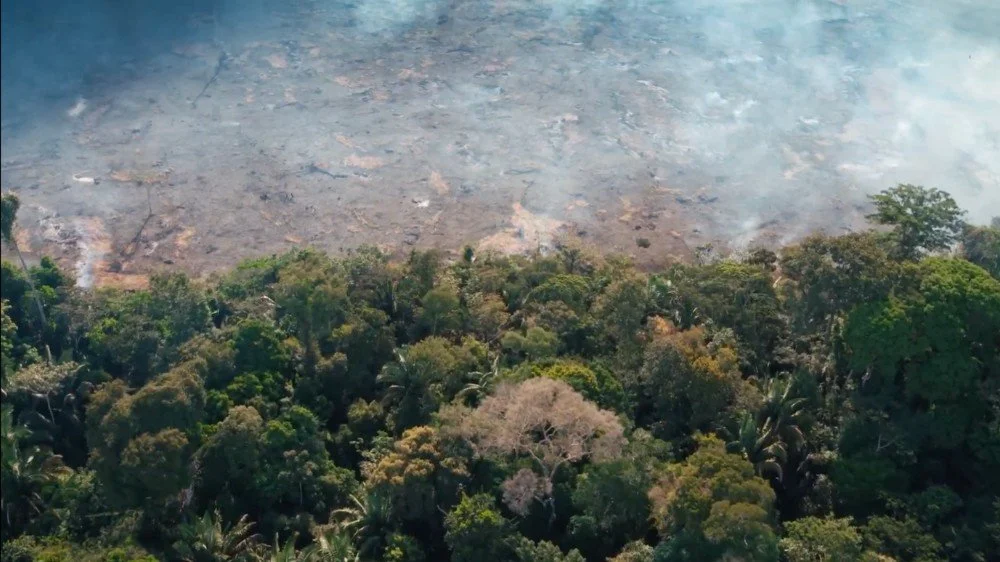
Beef causes ~80% of Amazon deforestation.¹⁰
References
-
18-Month Slaughter Age
Williams B, Miller M, Dohlman E, Grossen G, Haley M. Livestock Production Cycles Affect Long-Term Price Outlook for Cattle, Hogs, and Chickens. Econ Res Serv. Published March 17, 2025. Accessed September 29, 2025.“They do this despite the incentive to sell cattle while prices are high. The females that are retained will not produce a calf until 2 years of age, and that calf will take an additional 18 months to grow before it is ready for slaughter." (Paragraph 2)“
20 Year Lifespan
Dallago GM, Wade KM, Cue RI, McClure JT, Vasseur E. Keeping Dairy Cows for Longer: A Critical Literature Review on Dairy Cow Longevity in High Milk-Producing Countries. Animals. 2021"Even though dairy cow have a life expectancy of around 20 years, this is rarely observed under modern commercial conditions."(Introduction - Paragraph 2)
-
U.S. Department of Agriculture, National Agricultural Statistics Service. Livestock Slaughter 2024 Annual Summary. Washington, DC: USDA NASS; 2025.
"Commercial cattle slaughter during 2024 totaled 31.8 million head, down 3 percent from 2023, with federal inspection comprising 98.2 percent of the total." (Page 6)
-
US Department of Agriculture, Animal and Plant Health Inspection Service. Dairy 2014: Health and Management Practices on U.S. Dairy Operations, 2014. Fort Collins, CO: USDA-APHIS-VS-CEAH-NAHMS; 2018
"Overall, 4.0 percent of operations used analgesia or anesthesia when castrating calves. There were no differences by herd size or region in the percentage of operations that routinely used analgesics or anesthesia when castrating calves (data not shown). Only calves castrated with a band received analgesics or anesthesia. (Page 78)
-
Lambooij E. Animal Stress and Welfare During Transport. MDPI. 2024.
“The global animal slaughter was in 2022: 140 billion chickens, 1.5 billion pigs, 625 million sheep, and 300 million cows. Moreover, 90 million tons of live-weight fish are slaughtered. According to an investigation by The Guardian, more than 20 million farm animals die during road transport from the farm to the slaughterhouse in the United States. Analysis of publicly available data shows that about 20 million chickens, 330,000 pigs, and 166,000 cattle were dead on arrival or died in lairage. The main causes are heat stress, especially in summer, freezing, or trauma [13].”
-
Anderson KN, Kirk AA, Vogel KD, et al. Assessment of United States Department of Agriculture Food Safety Inspection Service Humane Handling Enforcement Actions: 2018–2020. Transl Anim Sci. 2022;7(1):txac153. doi:10.1093/tas/txac153
"Between 2018 and 2020, FSIS issued 293 HHEAs; 109 in 2018, 85 in 2019, and 99 in 2020. The majority of HHEAs (64.16%; 188 of 293) were related to the mechanical stunning of bovine (39.93%; 117 of 293) and porcine (24.23%; 71 of 293) species." (Abstract)
-
National Cancer Institute. Red Meat and Cancer. National Cancer Institute. Updated December 9, 2015
"Evidence implicating red and processed meat in the development of colorectal cancer has been building for years. In 2015, based on data from 800 studies, IARC classified processed meat as a human carcinogen (Group 1), meaning that there is enough evidence to conclude that it can cause cancer in humans." (Paragraph 10)
-
National Cancer Institute. Red Meat and Processed Meat Consumption. Cancer Trends Progress Report. Published 2024
"The International Agency for Research on Cancer (IARC) classifies processed meat as a Group 1 carcinogen (meaning it is carcinogenic to humans), and red meat as a Group 2A carcinogen (meaning it is probably carcinogenic to humans). (Background section)
-
International Agency for Research on Cancer. Red Meat and Processed Meat. IARC Monographs on the Evaluation of Carcinogenic Risks to Humans. Vol 114. Lyon, France: International Agency for Research on Cancer; 2018.
Colon Cancer
"When the authors combined the results of the cohort studies with those of 13 case–control studies, the summary relative risks for red meat were 1.16 (95% CI, 1.001–1.34) and 1.21 (95% CI, 1.03–1.43) for colorectal and colon cancer, respectively, and those for processed meat consumption were 1.17 (95% CI, 1.02–1.35) and 1.23 (95% CI, 1.03–1.47) for colorectal and colon cancer, respectively." (Page 144). -
Poore J, Nemecek T. Reducing food’s environmental impacts through producers and consumers. Science. 2018;360(6392):987-992. doi:10.1126/science.aaq0216
Calculation
Global grazing land used for beef (~3.3 billion ha) + feed cropland for beef (~0.6 billion ha) = ~3.9 billion ha total.
Divide by total agricultural land (~4.9 billion ha) → ≈ 60%.
Beef calories (~2%) come from Table S10 (calorie share of beef).
-
Jacobsen K. Cattle Supply Chains and Deforestation of the Amazon. Statement for the Record Before the Senate Committee on Finance. Published June 22, 2023.
"Roughly 80% of all deforested land in the Brazilian Amazon has been converted to cattle pasture, making cattle ranching the largest driver of deforestation in the tropics" (Page 3)
-
References include government, industry, and peer-reviewed sources. Some footage was filmed outside the U.S. but reflects standard industry practices. These images are the G-rated version. For the R-rated truth, watch this.