
EGGS
Nature’s Perfect Protein
Ethics
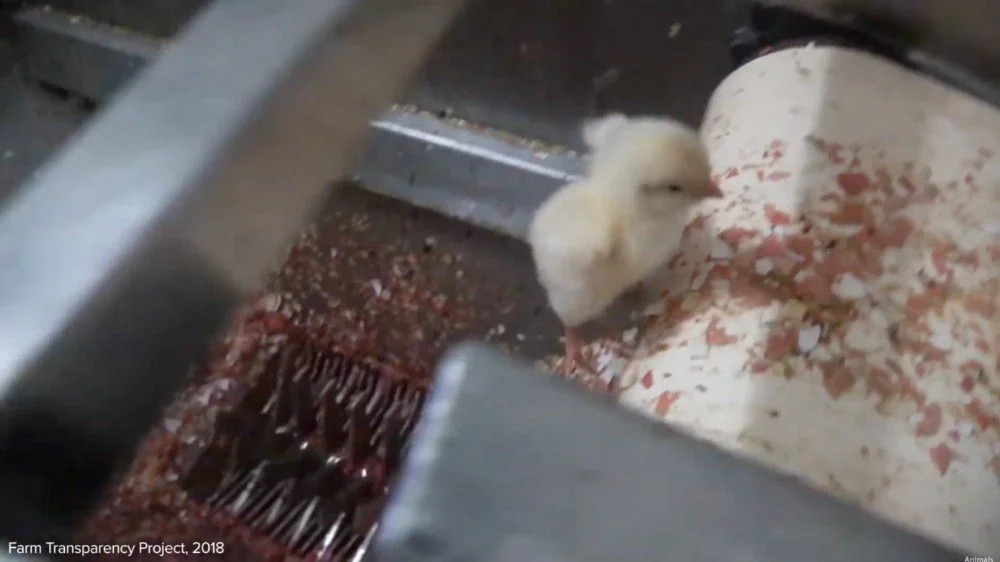
Over 200 million U.S. male chicks shredded alive each year.¹
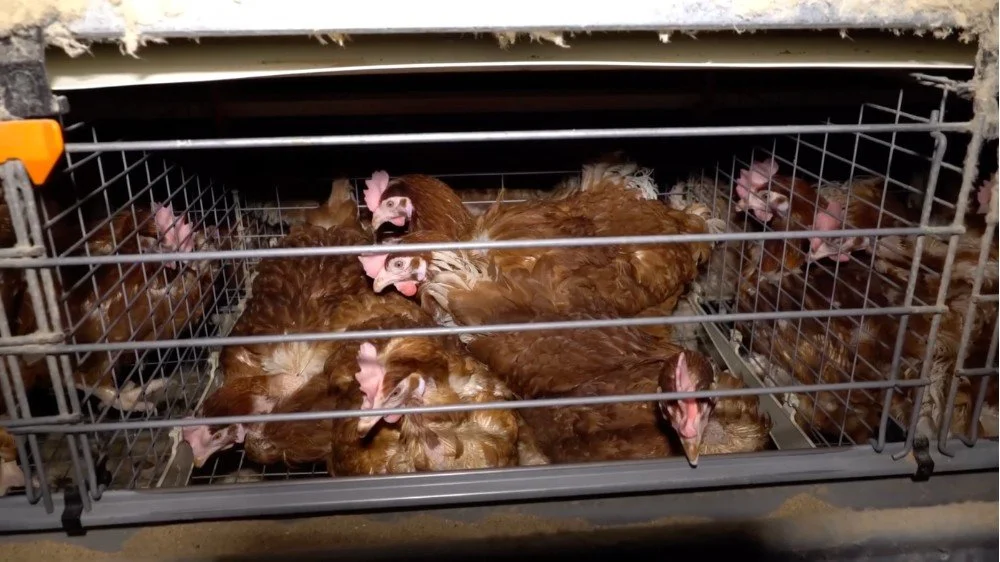
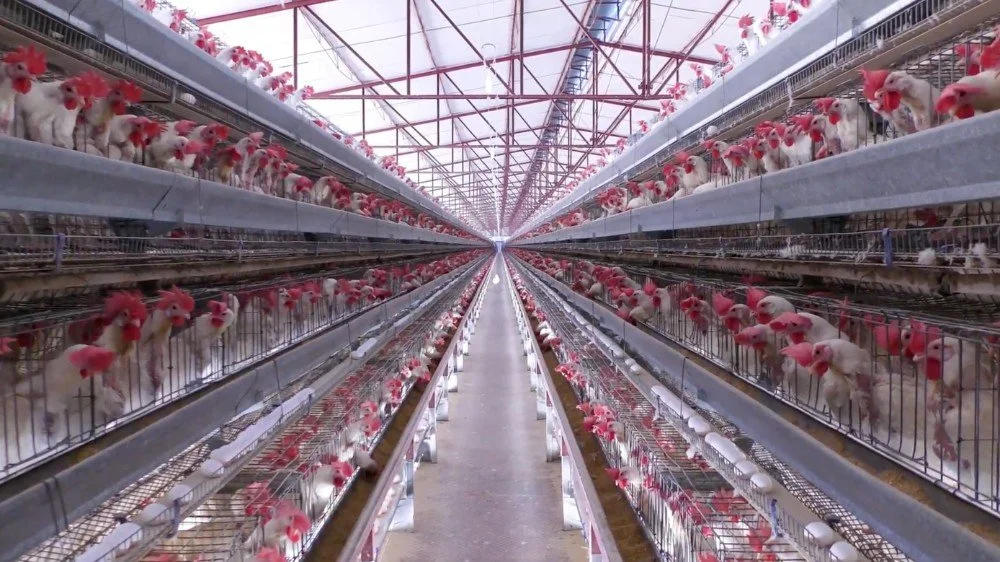
Over 60% of hens are kept in cages too small to spread their wings.²
Most "free-range" hens rarely go outside.³
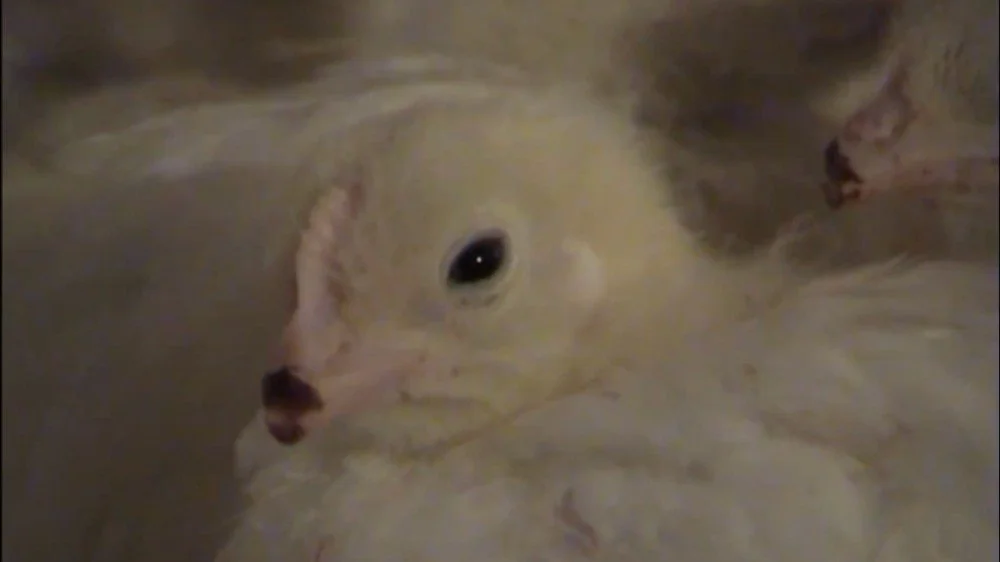
Female chicks’ beaks are cut off without anesthesia.⁴
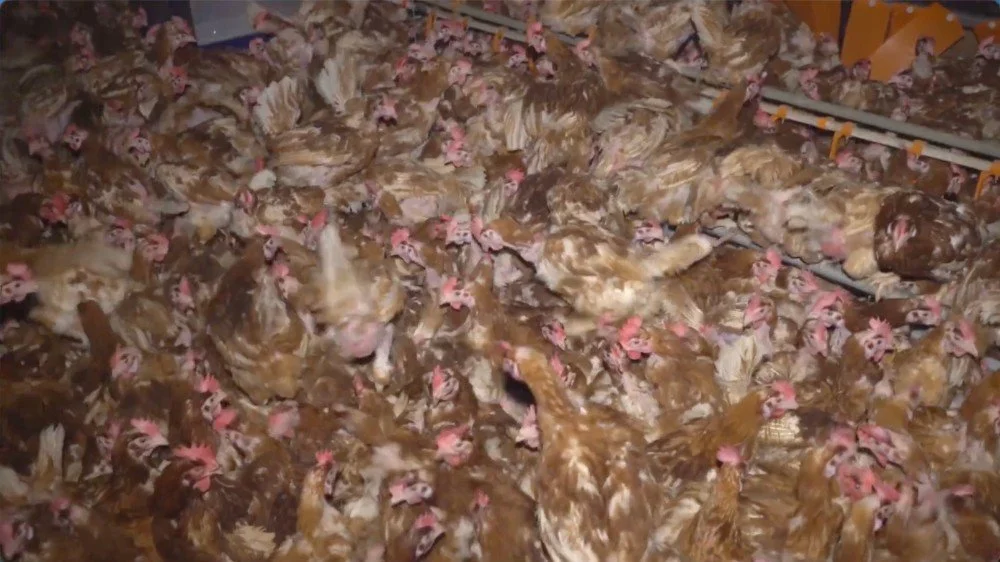
Most hens are crammed into barns of 50,000+.⁵
Health
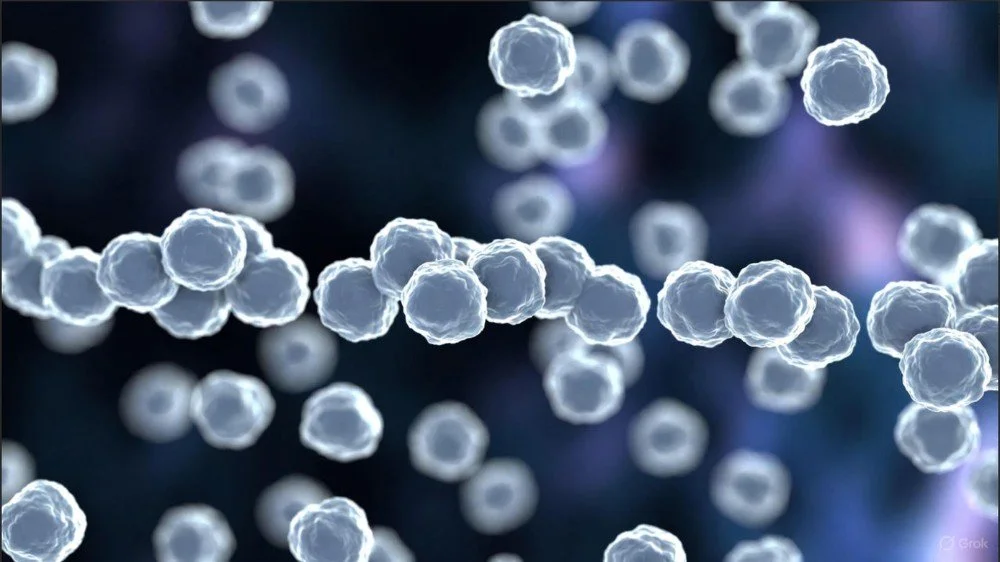
1 in 3 people get a spike in LDL cholesterol from eating eggs.⁶
Grok Image
Eggs are a leading source of Salmonella outbreaks in the U.S.⁷
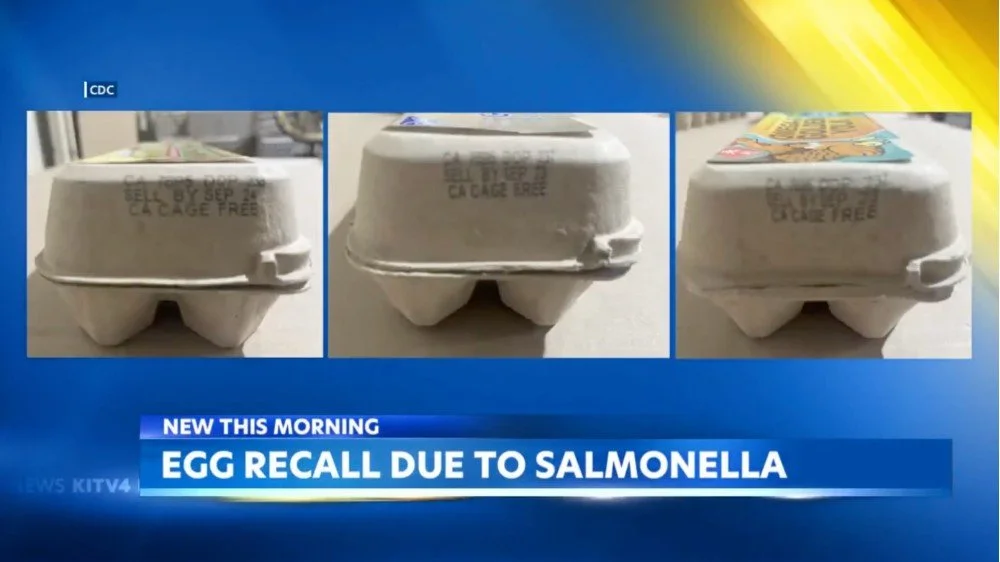
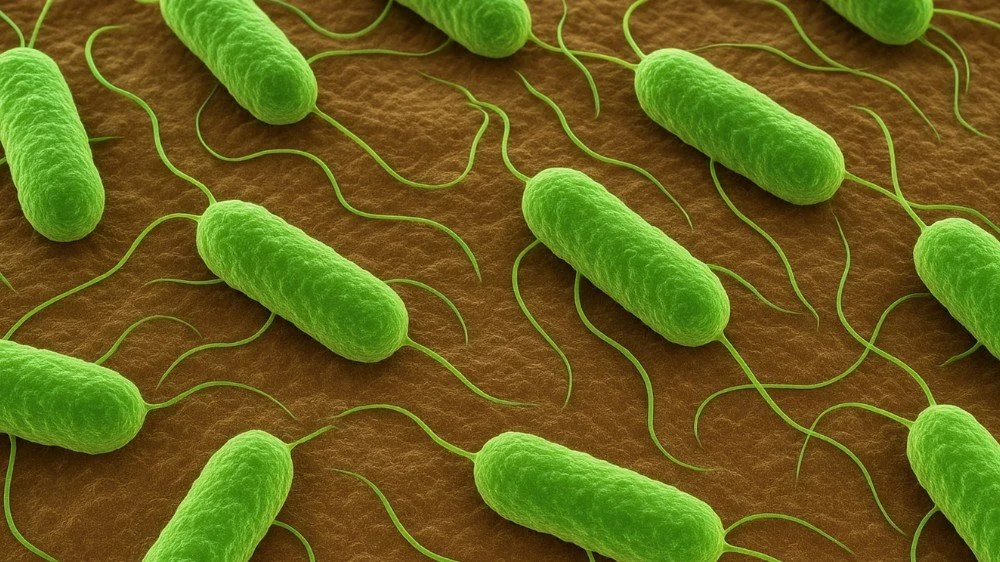
Egg production creates antibiotic-resistant Salmonella strains.⁸
ChatGPT Image
Environment
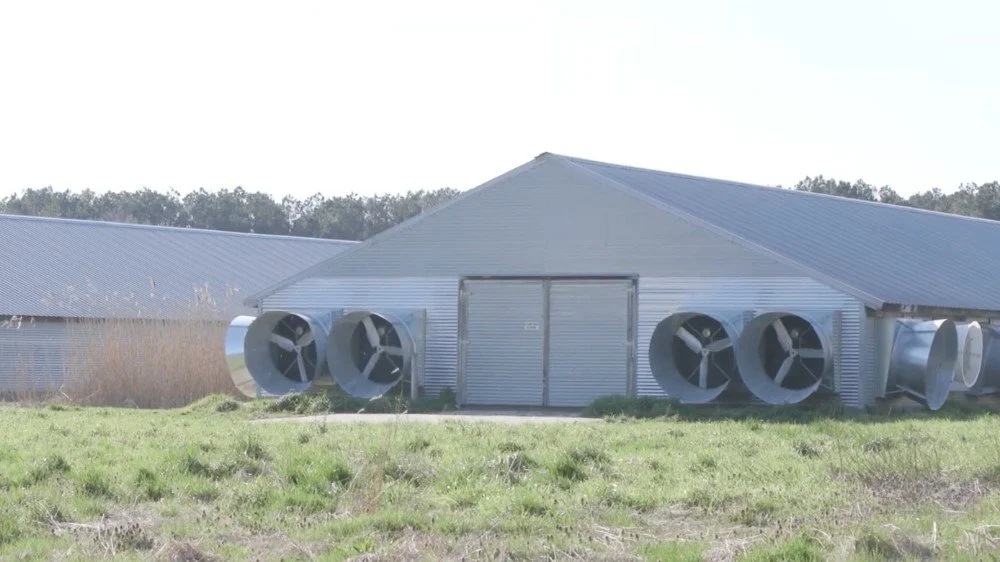
Egg farms emit ~200 million pounds of ammonia each year linked to public health problems.⁹
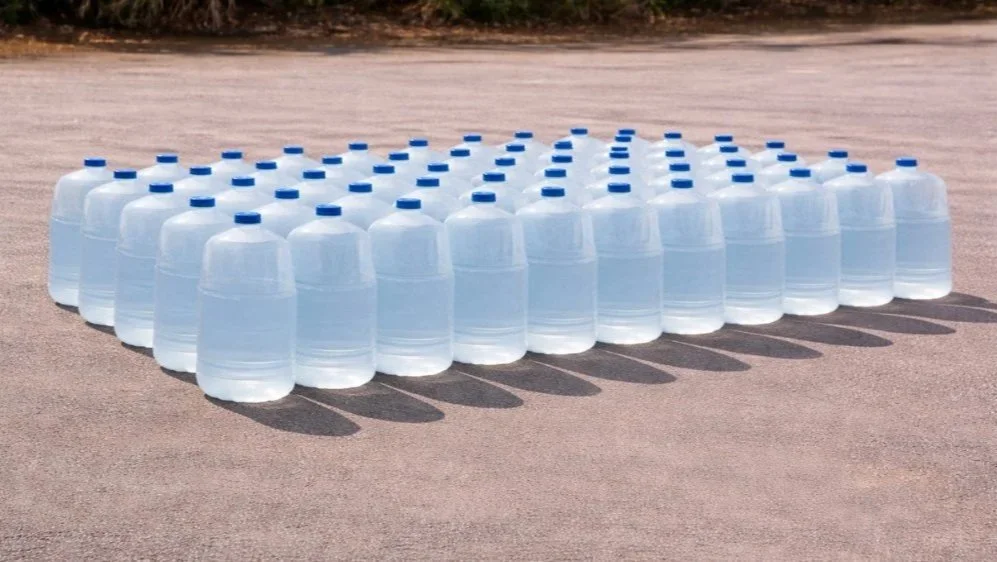
It takes ~52 gallons of water to produce one egg.¹⁰
Grok Image
References
-
Over 200 Million
Zhang D, Jacobs L. Morphology‑Based In‑Ovo Sexing of Chick Embryos Utilizing a Low‑Cost Imaging Apparatus and Machine Learning. Animals (Basel). 2025;15(3):384."In the United States (US), approximately 300 million male chicks are culled annually through methods including maceration and carbon dioxide asphyxiation."
Chick Shredding Most Common
Wang X, Zhao D, Milby AC, Archer GS, Peebles ED, Gurung S, Farnell MB. Evaluation of euthanasia methods on behavioral and physiological responses of newly hatched male layer chicks. Animals"Maceration is the predominant method used and is instantaneous and humane."
-
60% Live In Cages
United Egg Producers. Facts & Stats: Housing Environments of U.S. Laying Hens. United Egg Producers; 2024. Accessed October 7, 2025."At the end of 2024, 38.7% of all hens were in cage-free production..." (Housing Environments of U.S. Laying Hens section).
Calculation: If 38.7% of hens are cage-free, then 100%−38.7%=61.3% are in conventional or enriched cages, which is over 60%.
Cage Size
Hunniford ME, Schwean-Lardner KL, Aris P, Amini A. Space use by 4 strains of laying hens to perch, wing flap, dust bathe, stand and lie down. Poult Sci. 2018;97(2):404-411."While less is known scientifically about the impact of restricting wing-flapping on hen welfare, there was not physical space available to accommodate this behavior in the conventional cages that were the commercial industry's standard for housing laying hens [2]." (Results and discussion section).
-
Perdue Farms. We Believe in Responsibly Raising Animals for Food: Creating a Culture of Animal Care – 2022 Report. Perdue Farms; 2022.
Today, 27% of our houses have outdoor access. Our data show the farm with the most birds outside is at 14%. Our goal is to get all free-range houses in the 15% outdoors range.
-
US Dept of Agriculture, Agricultural Research Service, Livestock Behavior Research Unit. Laying Hen Welfare Fact Sheet: Current Developments in Beak-Trimming. Fall 2010.
"...a chicken’s beak is a complex, functional organ with an extensive nerve supply. Following beak trimming, several anatomical, physiological, and biochemical changes occur in cut peripheral nerves and damaged tissues....There are several methods used for beak trimming in the United States but the most popular method is hot-blade beak trimming. It employs a heated (650-750°C), ‘guillotine’- type, blade that both cuts and cauterizes the beak tissue when birds are 5 to 10 days old. A second beak trimming may be conducted on birds when they are 5 to 8 weeks old if a trimmed beak grows back." (Page 1).
-
U.S. Department of Agriculture, Animal and Plant Health Inspection Service. Poultry Industry Manual. USDA APHIS; 2013.
"Large commercial “in-line” farms containing 50,000 to 6 million laying hens produce over 85% of table eggs in the United States. The average number of chicken houses in a large, integrated egg production complex is 10 and a complex may consist of 15 or more houses. Each house contains 50,000 to 350,000 laying hens" (Page 101)
-
Fuller NR, Dietary cholesterol, serum lipids, and heart disease: are eggs working for or against you? Nutrients. 2018;10(4):426. doi:10.3390/nu10040426
"...the majority of individuals (1/3 of the population) having only minimal responses, while those with a significant response increase both LDL and HDL-cholesterol..." (Abstract)
-
Abdelhamid AG, El-Baky RMA, Askoura M, et al. Egg-associated Salmonella enterica serovar Enteritidis. Front Microbiol. 2023;14:1278821.
“Salmonella Enteritidis is the main S. enterica serovar that causes frequent disease outbreaks linked to food, particularly eggs and other poultry products" (Section 4 - Discussion)
-
Centers for Disease Control and Prevention. Investigation Update: Salmonella Outbreak, Eggs (August 2025)
The CDC's investigation update on the August 2025 Salmonella outbreak linked to recalled eggs noted that the bacteria from patient samples "had predicted resistance to nalidixic acid and nonsusceptibility to ciprofloxacin," highlighting an antibiotic-resistant strain circulating via the food supply
-
U.S. Laying Hen Inventory
USDA National Agricultural Statistics Service (NASS). Chickens and Eggs Annual Summary. Published February 2024.Summary Table 1: The U.S. laying flock inventory is over 300 million hens on any given day.
Ammonia Emission Factor
Liang Y, Xin H, Wheeler EF, et al. Ammonia emissions from U.S. laying hen houses in Iowa and Pennsylvania. Environ Sci Technol. 2005;39(15):5787-5795.The annual mean emission rate was 0.83 to 0.90 grams NH3 per hen per day (0.83g/hen/day used for conservative extrapolation).
Public Health Consequence
Data Gap: Air Quality Networks Miss Air Pollution from Concentrated Animal Feeding Operations. Environ Sci Technol. 2023;57(50):19927-19934."Domestically, U.S. agricultural ammonia emissions are estimated to cause over 12,000 premature deaths and incur societal costs of roughly $160 billion each year... primarily through the formation of fine particulate matter (PM2.5)." [This is particularly relevant to egg farms, which are known sources of both ammonia and fine particulate matter due to the large volume of dry manure.]
Calculation
Daily emission in grams: (300,000,000 hens) × (0.83 g/hen/day) = 249,000,000 grams/day
Annual emission in grams: 249,000,000 grams/day × 365 days/year = 90.885 billion grams/year
Final conversion to pounds: 90.885 billion grams ÷ 453.59 grams/lb ≈ 200,360,000 pounds/year
-
U.S. Environmental Protection Agency. Food Waste Recovery: A Snapshot of Region 9 — Summary. San Francisco, CA: EPA Region 9; 2017
"It takes about 52 gallons of water to produce one egg. Throwing out a dozen eggs is like letting your low-flow shower run for 2 hours and 36 minutes." (Page 2)
-
References include government, industry, and peer-reviewed sources. Some footage was filmed outside the U.S. but reflects standard industry practices. These images are the G-rated version. For the R-rated truth, watch this.